When renovating a bathroom, many homeowners hesitate between a standard shower purchased from a big-box store and a custom glass shower made by a specialized glass company.
And honestly, both options can work well depending on the project.
But after years working in architectural glass, there are certain differences that become very noticeable once the shower is installed and used every day.
Because beyond appearance, a glass shower also needs to:
- properly manage water
- remain stable
- be durable
- stay easy to use
- fit the space perfectly
Here are the main differences between a standard shower and a custom glass shower.
1. Bathrooms are rarely perfectly straight
This is probably the biggest difference.
Store-bought shower kits are manufactured in fixed standard dimensions.
But in reality:
- walls are rarely perfectly straight
- floors often have slight slopes
- angles can vary
- some tile installations create visible gaps
Even a few millimeters can significantly affect:
- waterproofing
- door alignment
- spacing between panels
- stability
- water management
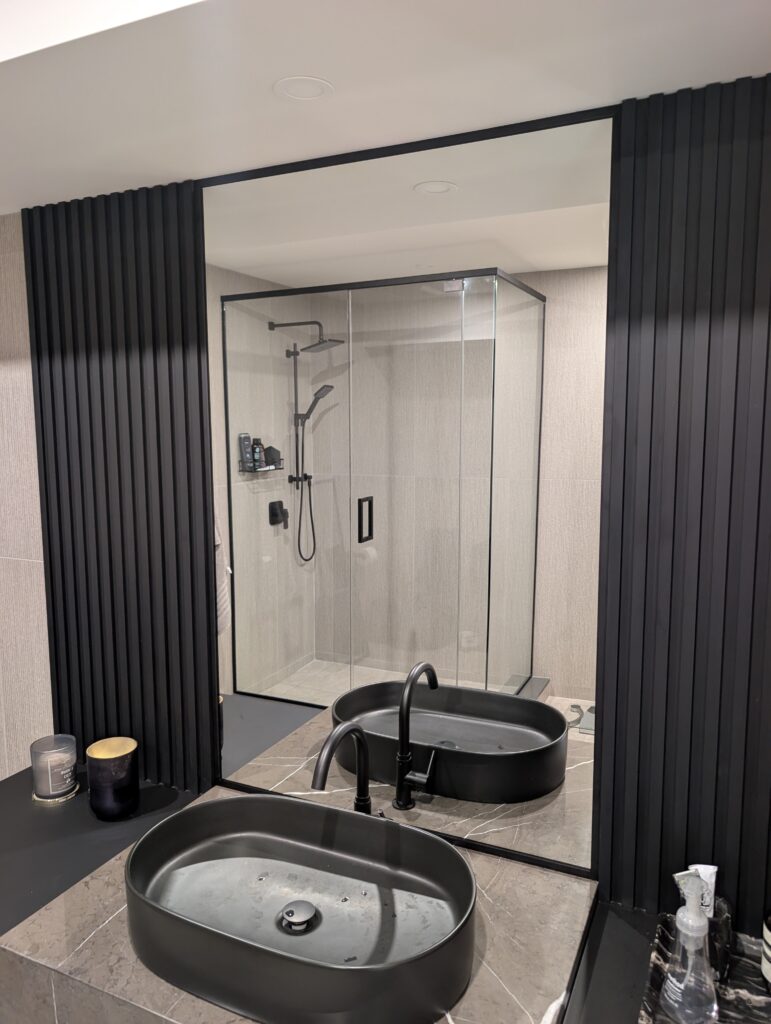
A custom glass shower is manufactured according to the exact dimensions of the bathroom to fit the space much more precisely.
2. Water management changes the entire experience
A shower may look beautiful at first… but become frustrating if water constantly escapes.
This is often one of the biggest differences between a standard shower and a properly designed custom shower.
In a custom project, several elements are carefully planned according to the bathroom layout:
- opening locations
- clearances
- door swing direction
- angles
- water return areas
- floor slopes
- spacing widths
These details may seem minor, but they dramatically affect everyday use.
3. Some bathrooms simply are not suited for standard showers
Standard shower kits mainly work for simple, regular openings.
But many projects require custom fabricated glass:
- sloped ceilings
- integrated benches
- knee walls
- corner showers
- oversized openings
- full-height panels
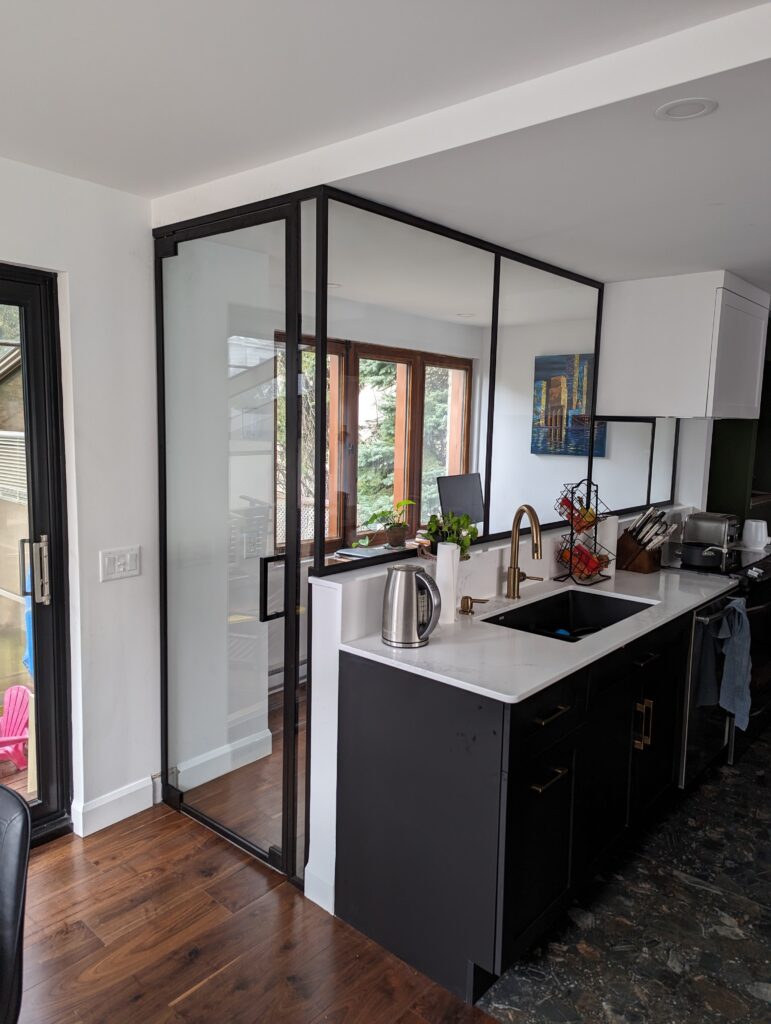
- custom-shaped glass
- minimalist walk-in showers
- asymmetrical layouts
In these situations, the limitations of standard dimensions quickly become obvious.
You can view several examples of custom shower projects in our architectural glass projects gallery.
4. The type of glass greatly affects the final result
Not all glass showers look the same.
The type of glass affects:
- brightness
- privacy
- maintenance
- color rendering
- overall bathroom style
Popular options include:
- clear glass
- ultra-clear glass
- smoked glass
- fluted glass
- frosted glass
For example, ultra-clear glass greatly reduces the green tint often visible in standard clear glass and creates a brighter, more luxurious appearance.
To compare the different types of glass available, you can also read our guide about decorative and architectural glass types.
5. Stability and overall feel are often very different
Two showers may look similar in photos… but feel completely different in daily use.
Hardware quality and installation precision greatly affect:
- panel rigidity
- door movement
- vibrations
- adjustments
- overall solidity
- long-term durability
These differences often become more noticeable after months or years of use.
6. Custom projects offer much greater design flexibility
Custom shower projects generally allow:
- larger glass panels
- fewer visible moldings
- cleaner lines
- personalized layouts
- specific hardware styles
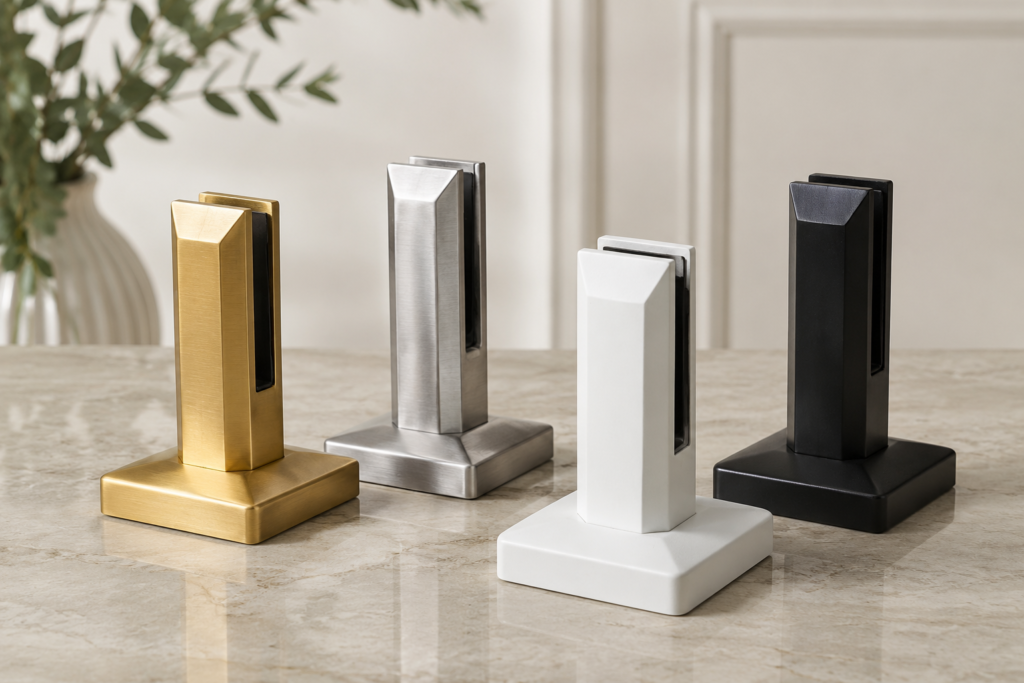
- premium finishes such as:
- matte black
- stainless steel
- antique brass
- bronze
- gun metal
This is often what creates a much more integrated and high-end bathroom design.
7. Maintenance can also be very different
Ease of cleaning often depends on:
- the type of glass
- selected finishes
- water management
- installation quality
- spacing between panels
Many homeowners also choose to add a professional protective coating to help reduce water spots and calcium buildup on the glass.
8. A standard shower can still be a good option
Big-box store shower kits are not necessarily a bad solution.
In some situations, they can work very well:
- quick bathroom renovations
- limited budgets
- very standard openings
- rental properties
- temporary solutions
But as projects become more customized or complex, the differences between standard and custom showers become much more significant.
Conclusion
Choosing between a standard shower and a custom glass shower mainly depends on:
- the bathroom layout
- the level of finish desired
- the importance of details
- long-term durability expectations
- the type of everyday experience you want
Because in architectural glass projects, it is often the invisible details that make the biggest difference after installation.
If you would also like to understand why the price of custom glass showers can vary so much from one project to another, you can read our article about custom glass shower pricing.